 Skip to content

Table of Contents
Technology has become the backbone of nearly every modern organization. From communication and customer service to sales, operations, and data management, businesses depend heavily on stable and secure IT systems. However, many companies continue relying on outdated infrastructure, reactive troubleshooting, or limited internal resources until serious issues begin affecting productivity and profitability.
Managed IT Services provide businesses with proactive monitoring, cybersecurity protection, cloud management, technical support, and long-term technology planning. Rather than waiting for systems to fail, organizations can prevent problems before they disrupt operations.
Recognizing the early warning signs can save companies thousands of dollars in downtime, security incidents, and lost opportunities. In this guide, we’ll explore ten indicators that suggest it may be time to invest in professional IT management and support.
Businesses looking for comprehensive technology solutions can also explore our Managed IT Services offerings to understand how proactive support improves reliability and business continuity.
Why Businesses Are Turning to Managed IT Services
Technology challenges have evolved significantly over the last decade. Cyber threats are increasing, cloud adoption continues to grow, and customer expectations demand uninterrupted service availability.
For many organizations, maintaining an internal IT department capable of handling every challenge has become difficult and expensive. This is where managed it services offer substantial value.
Proactive Support Instead of Reactive Repairs
Traditional break-fix models often create unnecessary stress for businesses. Companies only contact IT specialists after an issue occurs, which usually means productivity has already been affected.
With managed solutions, providers monitor systems continuously, identify vulnerabilities, and implement preventive maintenance strategies.
- 24/7 monitoring
- Automated updates
- Security patch management
- Data backup solutions
- Performance optimization
- Disaster recovery planning
Organizations seeking integrated digital solutions may also benefit from our Cloud Solutions services that support scalability and remote collaboration.
Reducing Operational Costs
Hiring full-time IT staff can become expensive, especially for small and medium-sized companies. Salaries, certifications, equipment, training, and infrastructure investments quickly add up.
Managed service providers offer predictable monthly costs, making budgeting easier while providing access to experienced specialists.
According to the National Institute of Standards and Technology (NIST), organizations that adopt structured cybersecurity frameworks can significantly reduce operational risks and improve resilience.
External Resource:
Access to Specialized Expertise
Technology environments are increasingly complex. Businesses must manage cybersecurity, cloud infrastructure, compliance requirements, endpoint protection, backups, networking, and software integrations.
Rather than relying on one or two generalists, managed providers deliver access to specialists across multiple disciplines.
This approach allows businesses to remain competitive while focusing internal resources on growth initiatives.
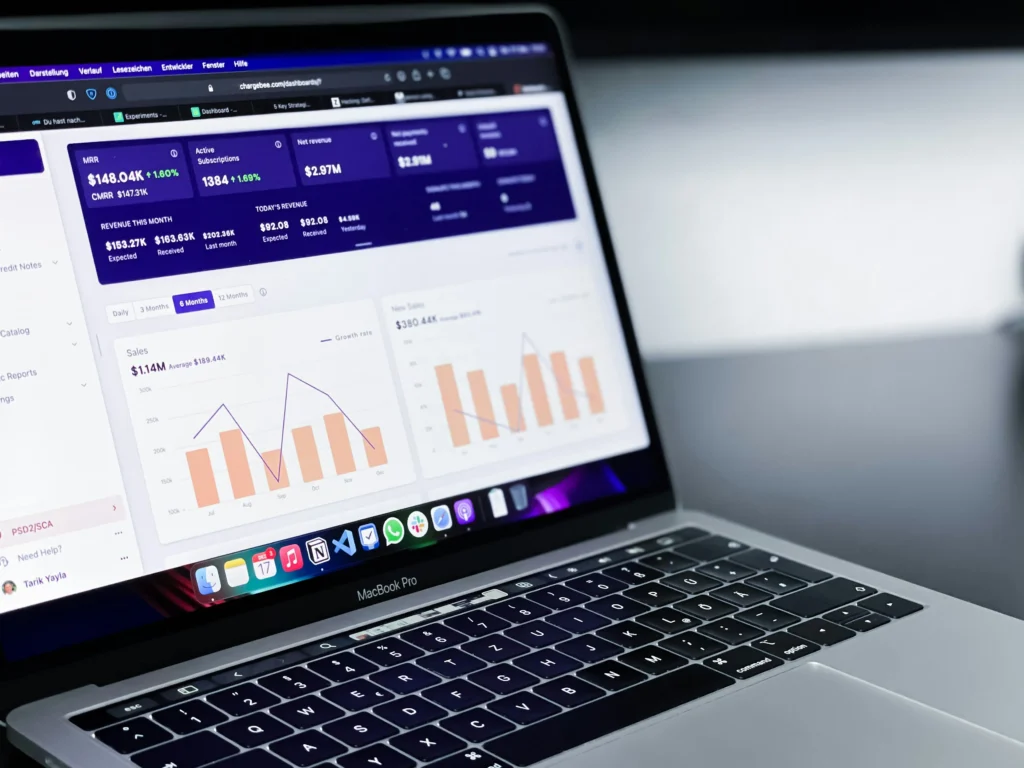

10 Warning Signs Your Business Needs Managed IT Services
Many companies ignore technology issues until they become major obstacles. The following indicators suggest that outsourcing IT management may provide measurable benefits.
1. Frequent Downtime Is Affecting Productivity
Downtime is one of the clearest indicators that a business requires professional technology management.
If employees regularly experience slow systems, application crashes, internet interruptions, or server failures, operational efficiency quickly declines.
Even short outages can create significant financial consequences.
Managed IT providers monitor environments continuously to detect anomalies before disruptions occur.
2. Cybersecurity Incidents Are Becoming More Common
Cybersecurity threats continue evolving at an alarming pace. Phishing campaigns, ransomware attacks, credential theft, and malware infections target organizations of all sizes.
If your company has experienced:
- Suspicious emails
- Unauthorized logins
- Malware infections
- Lost data
- Security alerts
- Compliance concerns
These may indicate insufficient protection.
Businesses can improve their security posture through services such as Cybersecurity Solutions.
Authoritative cybersecurity guidance is also available through the Cybersecurity and Infrastructure Security Agency.
External Resource:
3. Your Internal Team Spends Too Much Time Solving IT Problems
Employees hired for sales, marketing, finance, or operations should not spend hours troubleshooting technical issues.
When staff members become unofficial IT support personnel, productivity decreases and frustration increases.
Managed IT Services enable organizations to redirect employee efforts toward revenue-generating activities.
Businesses seeking broader digital transformation strategies can also review our Digital Marketing Services to align technology investments with growth objectives.
4. Technology Costs Are Unpredictable
Unexpected hardware failures, emergency support requests, software licensing issues, and security incidents can create volatile expenses.
Organizations that struggle to forecast IT spending often benefit from subscription-based support models.
Predictable monthly pricing provides greater financial stability.
5. Data Backup Processes Are Inconsistent
Many companies assume their data is protected until they discover backups have failed.
Common warning signs include:
- Manual backup procedures
- No offsite storage
- No recovery testing
- Missing documentation
- Unclear retention policies
Without reliable recovery capabilities, businesses face significant risks following hardware failures, cyberattacks, or accidental deletions.
Companies concerned about information loss should consider exploring our Data Recovery services.
The Hidden Costs of Ignoring IT Issues
Some organizations postpone investing in professional support because they view it as an unnecessary expense. However, delayed action often produces much larger financial consequences.
Lost Productivity
Employees waiting for systems to recover cannot perform their responsibilities effectively.
Small interruptions multiplied across dozens or hundreds of users can represent substantial annual losses.
Damaged Reputation
Customers expect businesses to operate efficiently and securely.
Frequent outages, delayed responses, and security incidents can negatively impact trust and long-term relationships.
For service-oriented companies, maintaining a strong online presence is equally important. Businesses investing in digital transformation often combine technology upgrades with modern websites through Website Design Services.
Compliance Risks
Organizations operating within regulated industries may face penalties if they fail to maintain adequate cybersecurity measures.
Compliance standards increasingly require documentation, monitoring, risk assessments, and incident response planning.
Managed service providers help businesses remain aligned with evolving requirements.


Planning for Sustainable Growth
Technology should support business expansion rather than limit it.
As organizations grow, they require scalable infrastructure, secure remote access, cloud-based collaboration tools, and reliable support systems.
Managed providers help companies build long-term strategies that align technology investments with operational objectives.
Businesses interested in learning more about company capabilities can also visit our About Us page or reach out through our Contact Us section.
Many organizations also review previous projects and implementations to evaluate service quality. You can browse our Portfolio for examples of completed work.
Frequently Asked Questions About Managed IT Services
What are Managed IT Services and how do they work?
Managed IT Services are outsourced technology solutions provided by a specialized company that proactively manages, monitors, and maintains a business’s IT infrastructure. Instead of waiting for problems to occur, providers continuously monitor systems, install updates, strengthen cybersecurity, perform backups, and offer technical support. Businesses benefit from predictable monthly costs, improved uptime, and access to experienced IT professionals without hiring a large internal team.
How do I know if my company needs Managed IT Services?
Several warning signs indicate a business may need Managed IT Services. Frequent downtime, recurring cybersecurity issues, slow computer performance, inconsistent data backups, rising technology expenses, and overwhelmed internal staff are common indicators. Companies experiencing rapid growth often also require professional IT management to support scalability and maintain operational efficiency.
Are Managed IT Services only suitable for large businesses?
No. Managed IT Services are commonly used by small and medium-sized businesses as well as larger enterprises. Many smaller organizations do not have the budget or resources to maintain a complete in-house IT department. Outsourcing technology management allows these companies to access enterprise-level expertise while keeping costs under control. This approach is particularly beneficial for businesses seeking reliable support and improved cybersecurity without significant capital investments.
What is included in a Managed IT Services package?
Although services vary between providers, most Managed IT Services plans typically include:
24/7 system monitoring
Help desk support
Network management
Cybersecurity protection
Software updates
Patch management
Cloud infrastructure support
Backup and disaster recovery
Endpoint security
Strategic IT consulting
Vendor management
Performance optimization
Businesses should review service agreements carefully to understand which features are included and whether they align with operational requirements.
How much do Managed IT Services cost?
Pricing depends on company size, number of users, devices, infrastructure complexity, security requirements, and support levels. Many providers charge a predictable monthly fee per user or per device. While costs vary, businesses often find that Managed IT Services reduce unexpected expenses associated with emergency repairs, downtime, and security incidents. Predictable budgeting is one of the major advantages of managed support models.
Can Managed IT Services improve cybersecurity?
Yes. Cybersecurity is one of the primary reasons organizations invest in Managed IT Services. Providers typically implement multiple layers of protection, including endpoint security, firewall management, threat detection, vulnerability assessments, employee awareness training, and incident response planning. Continuous monitoring helps identify risks before they escalate into major security events.
Will Managed IT Services replace my internal IT team?
Not necessarily. Many organizations use Managed IT Services to supplement existing staff rather than replace them entirely. Managed providers can handle routine maintenance, monitoring, cybersecurity tasks, and specialized technical projects, allowing internal teams to focus on strategic initiatives and business growth. This collaborative approach often increases efficiency and reduces employee burnout.
What industries benefit most from Managed IT Services?
Managed IT Services can benefit nearly every industry. Healthcare organizations require secure systems to protect patient information, while financial companies depend on strong cybersecurity controls and compliance management. Manufacturing businesses use managed support to minimize downtime, and professional service firms rely on technology to maintain productivity and customer satisfaction. Retail, education, logistics, and hospitality sectors also frequently leverage managed technology solutions.
How quickly can a company transition to Managed IT Services?
Implementation timelines vary depending on infrastructure complexity. Smaller businesses may complete onboarding within a few weeks, while larger organizations with multiple locations, cloud environments, and compliance requirements may require additional planning. A professional provider typically conducts assessments, documents systems, develops migration plans, and establishes monitoring tools before fully managing the environment.
Are Managed IT Services worth the investment?
For many businesses, Managed IT Services provide measurable returns through reduced downtime, stronger cybersecurity, improved productivity, and predictable operational costs. Companies that rely heavily on technology often discover that proactive management is significantly less expensive than dealing with outages, data loss, or security breaches after they occur. Investing in managed support allows organizations to focus more attention on customers, innovation, and long-term growth.
6. Your Business Is Growing Faster Than Your IT Infrastructure
Growth is exciting, but it also creates new technology challenges. As companies expand, they often add employees, increase workloads, adopt new applications, and serve more customers.
If your current infrastructure struggles to keep pace with demand, this is a strong indication that investing in managed it services may be necessary.
Common symptoms include:
- Slow network performance
- Storage limitations
- Outdated hardware
- Poor remote access capabilities
- Frequent software compatibility issues
- Limited scalability
Managed providers help businesses develop long-term technology roadmaps designed to support future expansion rather than simply addressing today’s problems.

7. Employees Frequently Complain About Slow Systems
Technology should enable productivity, not create obstacles.
When employees regularly complain about slow computers, delayed software responses, unstable internet connectivity, or recurring technical issues, efficiency suffers across the entire organization.
These frustrations often lead to:
- Lower employee satisfaction
- Reduced productivity
- Increased operational delays
- Poor customer experiences
- Higher turnover risks
Managed IT specialists analyze performance metrics, identify bottlenecks, and implement optimization strategies that improve user experience.
Organizations also benefit from combining technology improvements with modern digital initiatives such as Website Design Services and scalable Cloud Solutions.
8. Your Business Lacks a Disaster Recovery Strategy
Unexpected disruptions can happen at any time.
Natural disasters, cyberattacks, hardware failures, accidental deletions, and human errors all have the potential to interrupt business operations.
Without a documented disaster recovery strategy, recovery efforts become significantly more difficult.
Professional managed it services providers establish recovery plans that include:
- Backup scheduling
- Offsite replication
- Recovery testing
- Incident response procedures
- Business continuity planning
- Documentation management
Businesses that already rely on critical information assets should also evaluate additional protection through Data Recovery solutions.

9. You Have Compliance or Regulatory Concerns
Many industries operate under strict compliance requirements related to cybersecurity, privacy, and data management.
Healthcare providers, financial institutions, legal firms, and eCommerce companies often need to comply with specific regulations.
Failure to maintain adequate controls can result in:
- Financial penalties
- Legal consequences
- Reputation damage
- Customer trust issues
- Operational disruptions
Managed providers help organizations document processes, implement security controls, and maintain compliance readiness.
Additional guidance regarding cybersecurity best practices is available through the National Institute of Standards and Technology.
10. IT Problems Are Distracting Leadership From Core Business Goals
Executives and business owners should focus on growth, innovation, customer experience, and strategic planning.
When leadership teams spend excessive time dealing with technical problems, business momentum slows.
Questions such as:
- Why are systems down?
- Are backups working?
- Is our company protected from ransomware?
- Who is monitoring our infrastructure?
- Can employees work remotely securely?
These concerns can consume valuable management time.
Managed service providers become trusted technology partners, allowing leadership teams to concentrate on higher-value initiatives.
Managed IT Services vs Traditional Break-Fix Support
Businesses evaluating technology investments often compare managed support with traditional break-fix services.
| Feature | Managed IT Services | Break-Fix Support |
|---|---|---|
| Monitoring | 24/7 proactive monitoring | Reactive only |
| Maintenance | Continuous updates | Only after failures |
| Cybersecurity | Included | Usually separate |
| Costs | Predictable monthly pricing | Variable expenses |
| Downtime Reduction | High | Limited |
| Strategic Planning | Yes | No |
For businesses seeking long-term stability, proactive management generally delivers better outcomes than reactive troubleshooting.
Best Practices for Choosing Managed IT Services
Selecting the right provider requires careful evaluation.
Consider the following best practices before making a decision.
Evaluate Industry Experience
Look for providers with demonstrated expertise supporting businesses similar to yours.
Industry-specific knowledge can improve implementation speed and overall effectiveness.
Understand Service Level Agreements
Review response times, escalation procedures, uptime guarantees, and support availability.
Clear expectations help prevent misunderstandings later.
Assess Cybersecurity Capabilities
Cybersecurity should be a core component of any managed offering.
Ask providers about:
- Threat monitoring
- Endpoint protection
- Employee training
- Incident response
- Security assessments
Organizations interested in strengthening security measures can explore Cybersecurity Solutions to complement broader IT initiatives.
Review Scalability Options
Your technology partner should be capable of supporting future growth.
Ensure their services can adapt as your workforce, locations, and infrastructure expand.

Common Mistakes Businesses Make
Companies often delay technology improvements because existing systems appear functional.
Unfortunately, waiting too long increases operational risk.
Common mistakes include:
- Ignoring minor technical issues
- Skipping software updates
- Using outdated hardware
- Failing to train employees on cybersecurity
- Not testing backups
- Depending on a single individual for IT knowledge
- Postponing infrastructure investments
Preventative strategies are usually far less expensive than emergency responses.
How Much Do Managed IT Services Cost?
Pricing varies based on several factors.
- Number of users
- Device count
- Security requirements
- Cloud adoption level
- Compliance obligations
- Support availability
- Infrastructure complexity
Most providers offer predictable subscription pricing models.
Although monthly investments differ significantly between businesses, organizations often recover costs through:
- Reduced downtime
- Improved productivity
- Lower cybersecurity risks
- Fewer emergency repairs
- Enhanced operational efficiency
Businesses should evaluate total cost of ownership rather than focusing solely on monthly fees.
Conclusion
Technology challenges rarely disappear on their own.
Frequent downtime, security concerns, unpredictable expenses, slow systems, compliance issues, and inadequate recovery strategies all suggest that it may be time to adopt managed it services.
Proactive support allows businesses to reduce risks, improve efficiency, strengthen cybersecurity, and create a scalable foundation for future growth.
Rather than reacting to problems after they occur, organizations can gain peace of mind through continuous monitoring, strategic planning, and expert guidance.
Take the Next Step
If your organization recognizes several of these warning signs, now may be the ideal time to evaluate professional IT support.
Learn more about our Managed IT Services, explore our Portfolio, or contact our team through the Contact Us page to discuss solutions tailored to your business objectives.
Investing in the right technology strategy today can help your business remain secure, productive, and competitive tomorrow.